

Give the Gift of Choice!
Too many options? Treat your friends and family to their favourite stores with a Bayshore Shopping Centre gift card, redeemable at participating retailers throughout the centre. Click below to purchase yours today!Purchase HereHome
Wiping the War Paint off Lens: Native American Film and Video
Coles
Loading Inventory...
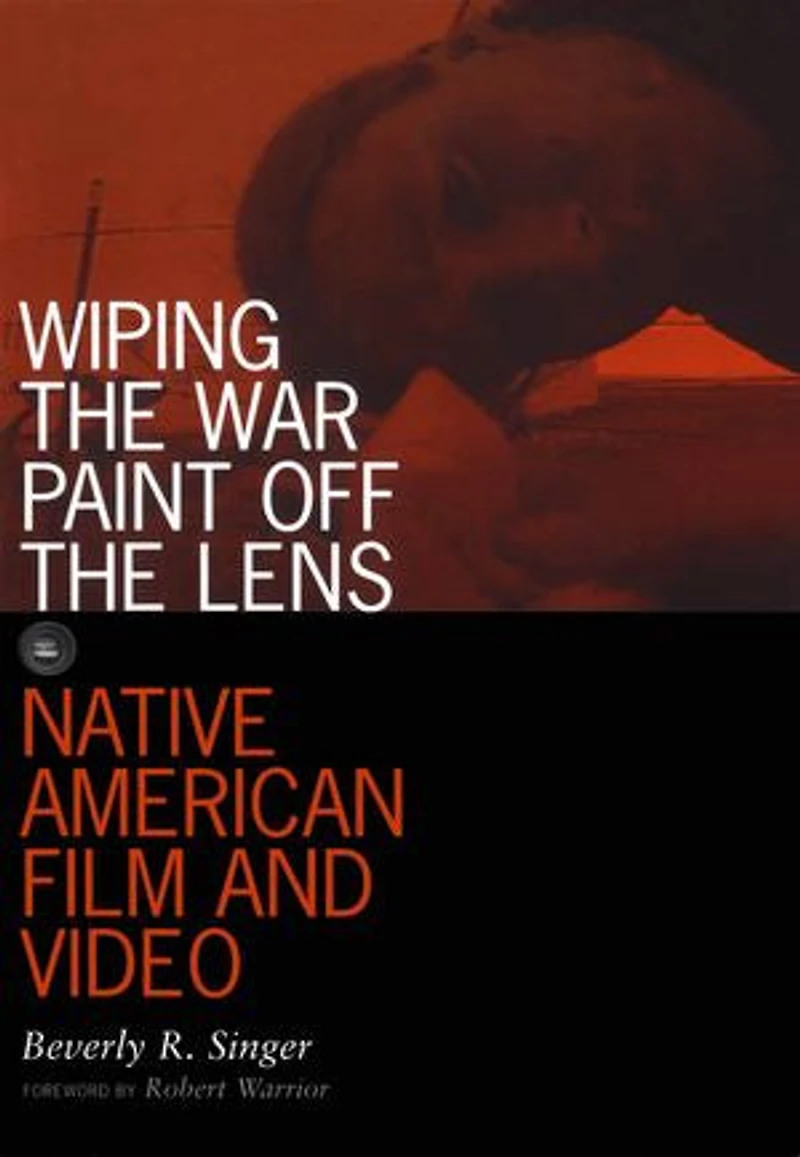
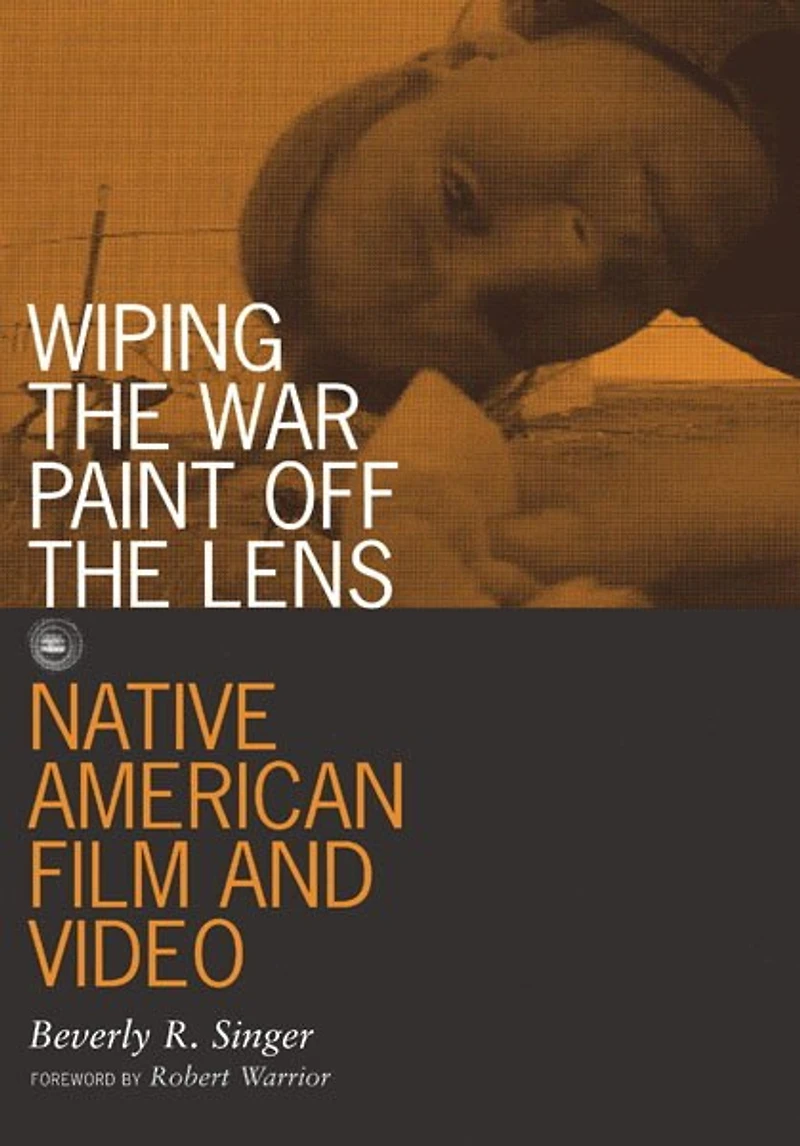
Wiping the War Paint off Lens: Native American Film and Video in Ottawa, ON
Current price: $21.79
Original price: $27.14

Wiping the War Paint off Lens: Native American Film and Video in Ottawa, ON
Current price: $21.79
Original price: $27.14
Loading Inventory...
Size: Kobo eBook
*Product information may vary - to confirm product availability, pricing, shipping and return information please contact Coles
The first comprehensive exploration of Native American filmmaking and video production.
Native Americans have thrown themselves into filmmaking since the mid-1970s, producing hundreds of films and videos, and their body of work has had great impact on Native cultures and filmmaking itself. With their cameras, they capture the lives of Native people, celebrating community, ancestral lifeways, and identity. Not only artistic statements, the films are archives that document rich and complex Native communities and counter mainstream media portrayals.
Wiping the War Paint off the Lens traces the history of Native experiences as subjects, actors, and creators, and develops a critical framework for approaching Native work. Singer positions Native media as part of a larger struggle for "cultural sovereignty"-the right to maintain and protect cultures and traditions. Taking it out of a European-American context, she reframes the discourse of filmmaking, exploring oral histories and ancient lifeways inform Native filmmaking and how it seeks to heal the devastation of the past. Singer’s approach is both cultural and personal, provides both historical views and close textual readings, and may well set the terms of the critical debate on Native filmmaking.
The first comprehensive exploration of Native American filmmaking and video production.
Native Americans have thrown themselves into filmmaking since the mid-1970s, producing hundreds of films and videos, and their body of work has had great impact on Native cultures and filmmaking itself. With their cameras, they capture the lives of Native people, celebrating community, ancestral lifeways, and identity. Not only artistic statements, the films are archives that document rich and complex Native communities and counter mainstream media portrayals.
Wiping the War Paint off the Lens traces the history of Native experiences as subjects, actors, and creators, and develops a critical framework for approaching Native work. Singer positions Native media as part of a larger struggle for "cultural sovereignty"-the right to maintain and protect cultures and traditions. Taking it out of a European-American context, she reframes the discourse of filmmaking, exploring oral histories and ancient lifeways inform Native filmmaking and how it seeks to heal the devastation of the past. Singer’s approach is both cultural and personal, provides both historical views and close textual readings, and may well set the terms of the critical debate on Native filmmaking.
You May Also Like







More About Coles at Bayshore Shopping Centre
Coles is renowned for its outstanding customer service and great selection of books. Along with the vast array of magazines, stationary, audio-books, children's literature, fiction, non-fiction and reference books, you can find accessories to make your reading experience more pleasurable. We can recommend the very best in reading today. We will help you search our titles for exactly what you need, and if we do not have it in stock, we will order it for you.
100 Bayshore Dr, Nepean, ON K2B 8C1, Canada
Find Coles at Bayshore Shopping Centre in Ottawa, ON
Visit Coles at Bayshore Shopping Centre in Ottawa, ON