

Give the Gift of Choice!
Too many options? Treat your friends and family to their favourite stores with a Bayshore Shopping Centre gift card, redeemable at participating retailers throughout the centre. Click below to purchase yours today!Purchase HereHome
Witchcraft as a Social Diagnosis: Traditional Ghanaian Beliefs and Global Health
Coles
Loading Inventory...
Witchcraft as a Social Diagnosis: Traditional Ghanaian Beliefs and Global Health in Ottawa, ON
Current price: $152.00

Witchcraft as a Social Diagnosis: Traditional Ghanaian Beliefs and Global Health in Ottawa, ON
Current price: $152.00
Loading Inventory...
Size: Hardcover
*Product information may vary - to confirm product availability, pricing, shipping and return information please contact Coles
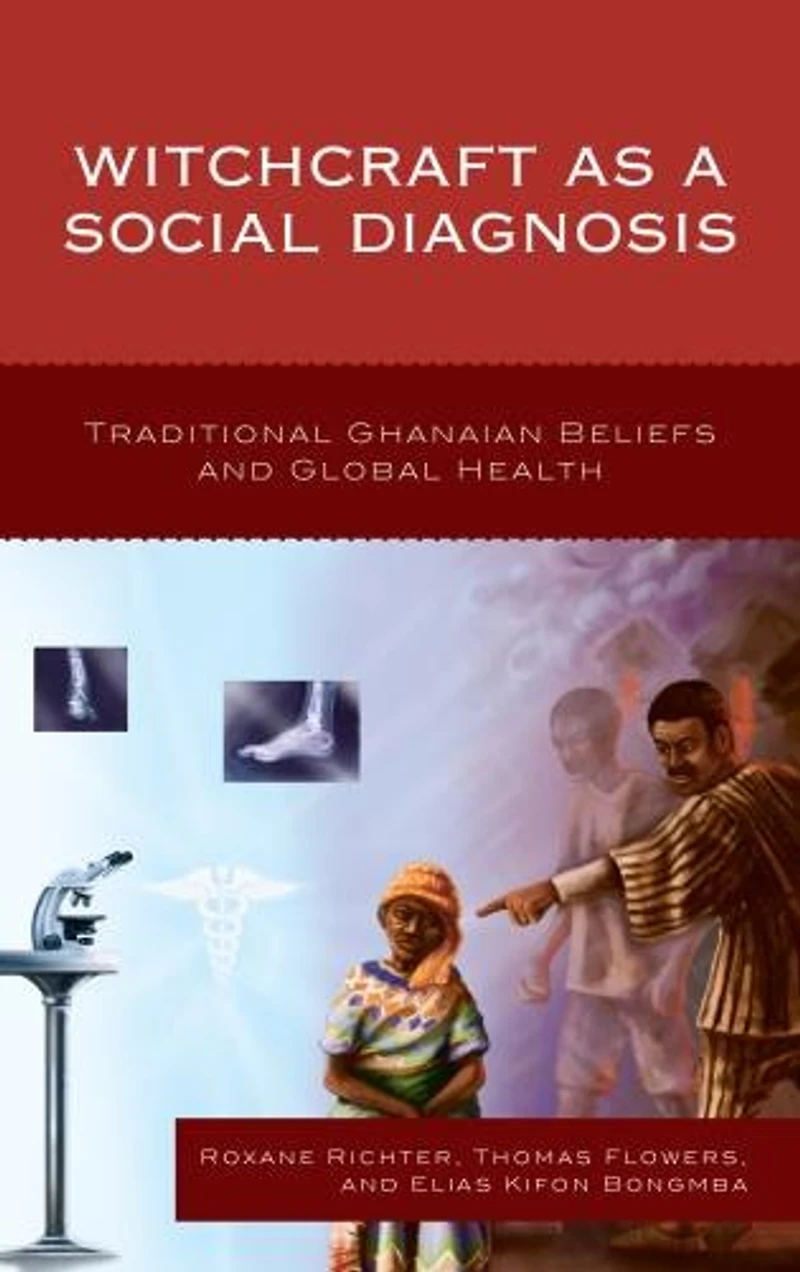
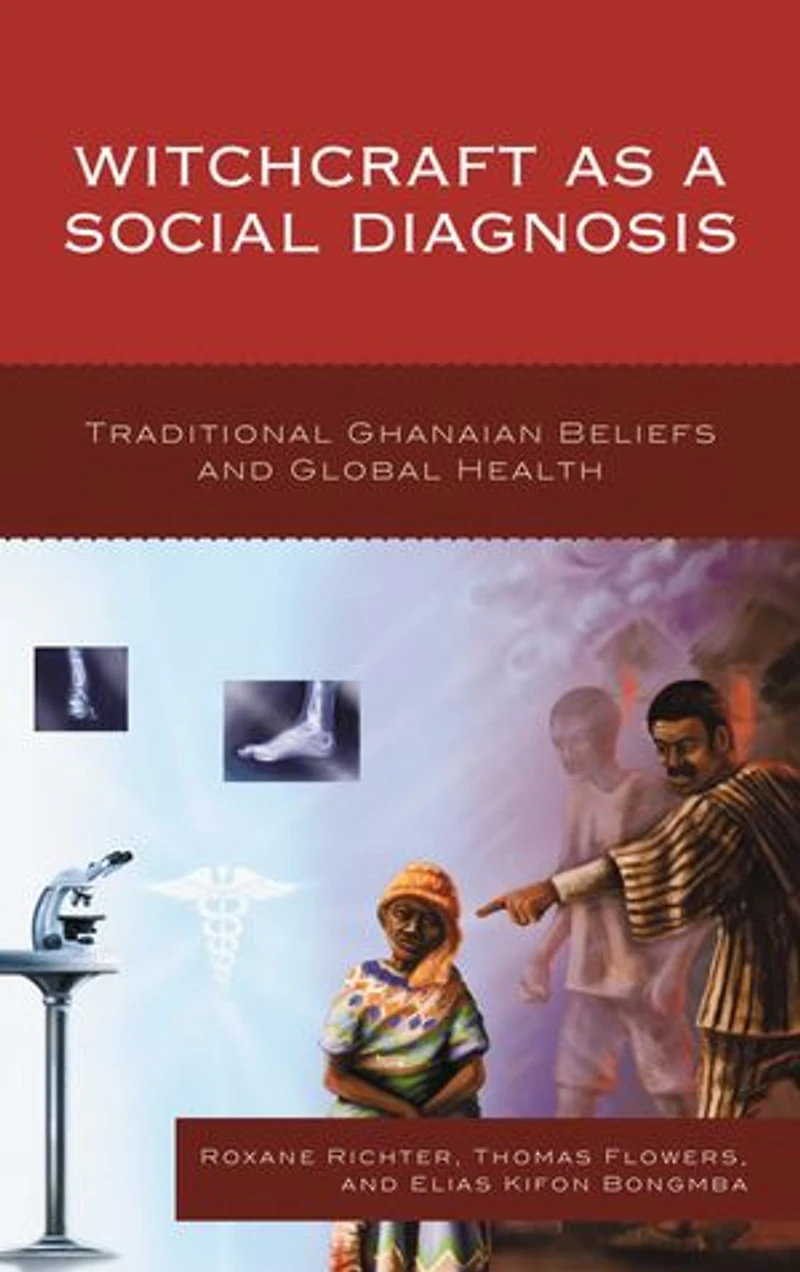
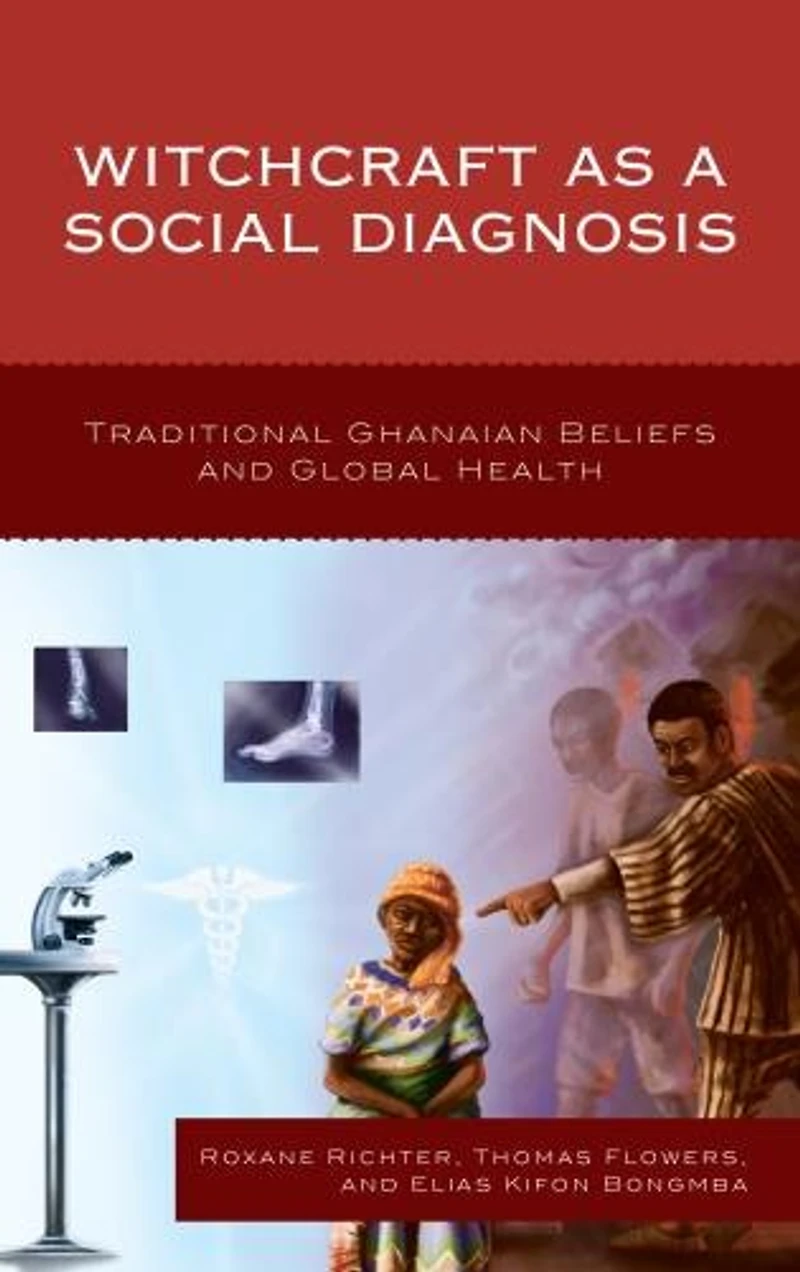
This interdisciplinary manuscript examines one nonprofit’s five years of medical outreach in the condemned witches village of Gnani in Ghana, focusing on the clashes between traditional Ghanaian beliefs, African religious tenets, and contemporary Western medical science. The research draws upon 1,714 patient interventions and 95 personal interviews, exposing the inherent challenges of separating indigenous beliefs surrounding fate and witchcraft convictions from contemporary interpretations of biological pathogens, structural and gender-based violence, and evidence-based medicine.
This book offers a novel perspective on witchcraft as it examines questions of stigmatization in order to extrapolate how disease, injury, and illness relate to social condition and the dialogue surrounding witchcraft. These unprecedented insights will serve to uncover and explore rural Ghanaian challenges in gender-based violence, religion, legal and political tenets, human rights, and medical science and their many implications for those in search of health parity, social justice, gender equity, and human rights.
This interdisciplinary manuscript examines one nonprofit’s five years of medical outreach in the condemned witches village of Gnani in Ghana, focusing on the clashes between traditional Ghanaian beliefs, African religious tenets, and contemporary Western medical science. The research draws upon 1,714 patient interventions and 95 personal interviews, exposing the inherent challenges of separating indigenous beliefs surrounding fate and witchcraft convictions from contemporary interpretations of biological pathogens, structural and gender-based violence, and evidence-based medicine.
This book offers a novel perspective on witchcraft as it examines questions of stigmatization in order to extrapolate how disease, injury, and illness relate to social condition and the dialogue surrounding witchcraft. These unprecedented insights will serve to uncover and explore rural Ghanaian challenges in gender-based violence, religion, legal and political tenets, human rights, and medical science and their many implications for those in search of health parity, social justice, gender equity, and human rights.
You May Also Like








More About Coles at Bayshore Shopping Centre
Coles is renowned for its outstanding customer service and great selection of books. Along with the vast array of magazines, stationary, audio-books, children's literature, fiction, non-fiction and reference books, you can find accessories to make your reading experience more pleasurable. We can recommend the very best in reading today. We will help you search our titles for exactly what you need, and if we do not have it in stock, we will order it for you.
100 Bayshore Dr, Nepean, ON K2B 8C1, Canada
Find Coles at Bayshore Shopping Centre in Ottawa, ON
Visit Coles at Bayshore Shopping Centre in Ottawa, ON