

Give the Gift of Choice!
Too many options? Treat your friends and family to their favourite stores with a Bayshore Shopping Centre gift card, redeemable at participating retailers throughout the centre. Click below to purchase yours today!Purchase HereHome
Without Shame or Fear: From Adam to Christ
Coles
Loading Inventory...
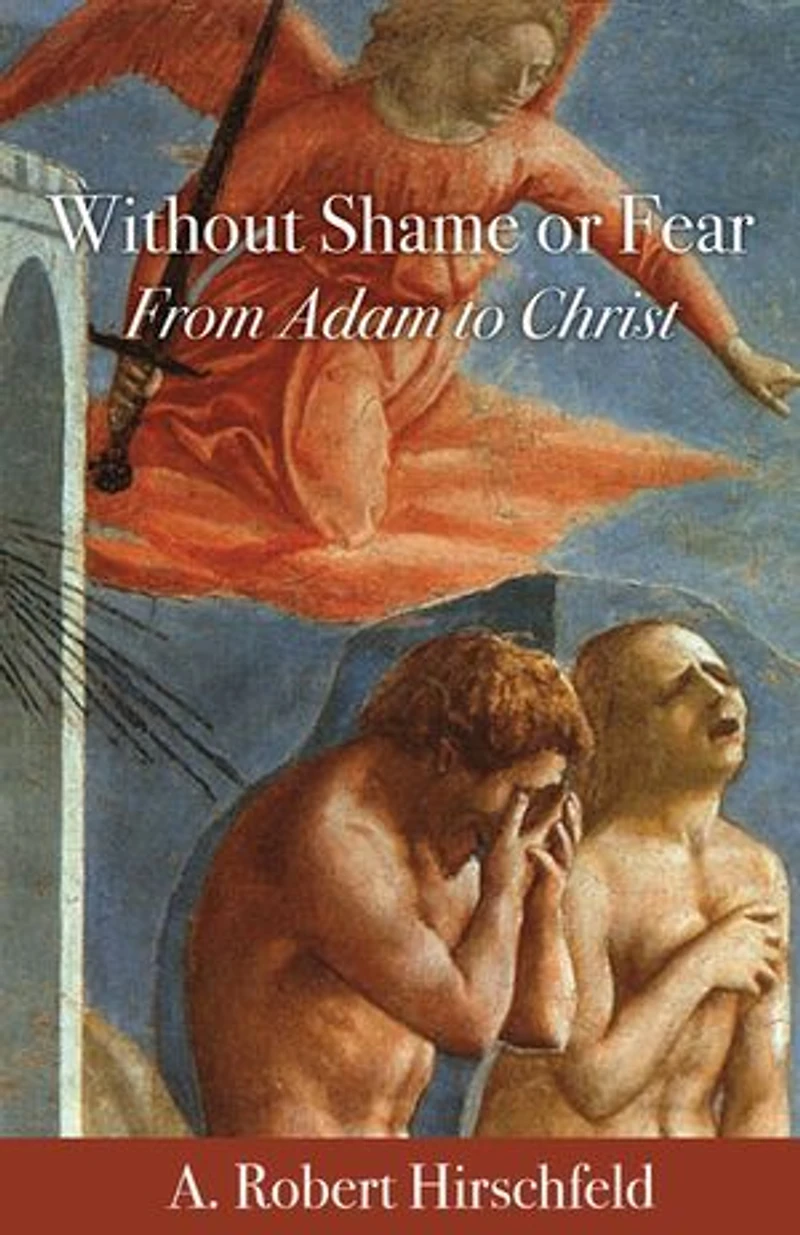
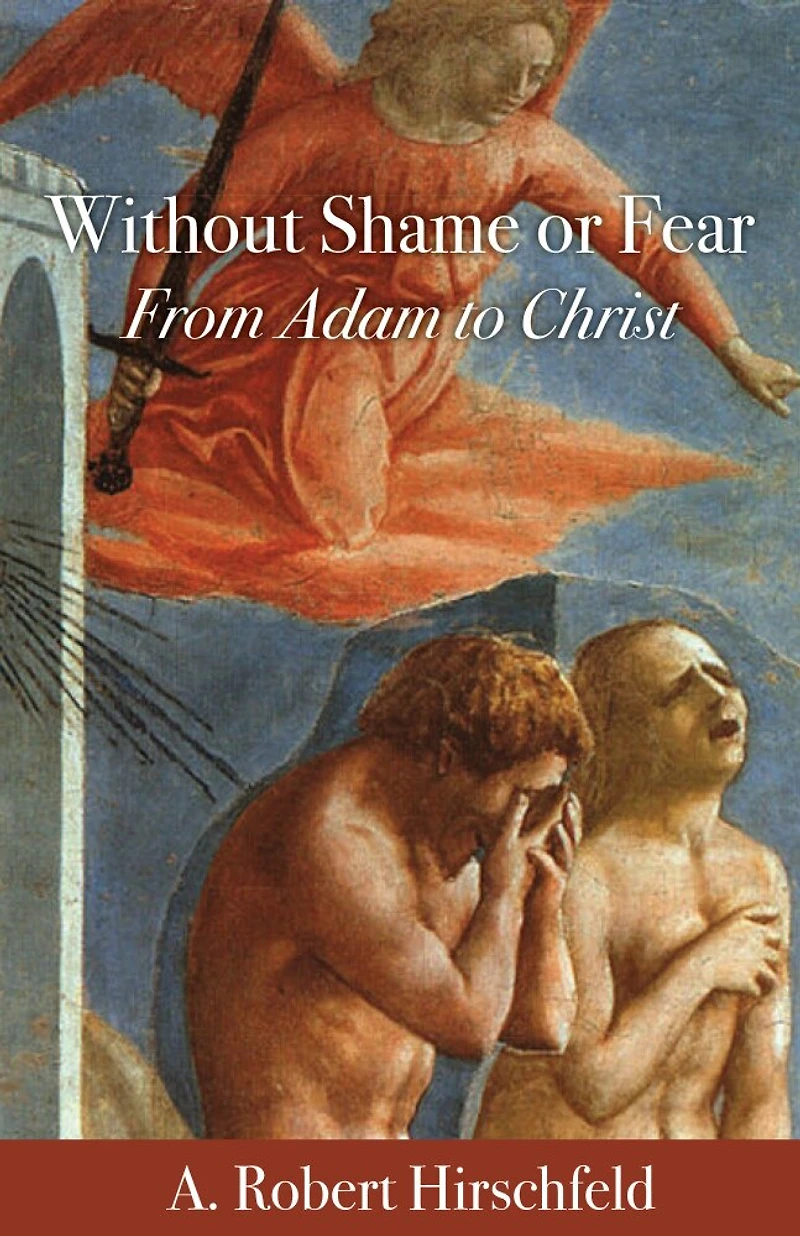
Without Shame or Fear: From Adam to Christ in Ottawa, ON
Current price: $17.39
Original price: $21.70

Without Shame or Fear: From Adam to Christ in Ottawa, ON
Current price: $17.39
Original price: $21.70
Loading Inventory...
Size: Kobo eBook
*Product information may vary - to confirm product availability, pricing, shipping and return information please contact Coles
Shame severs our relationship from God. It is so powerful that it often results in denial, apathy, and even a self-defensive wrath toward neighbor. At the same time, shame may drive us to discover the true source of our dignity beyond our isolated and broken self. The arc of the biblical narrative takes us from the fig leaves of Adam and Eve, who desire to hide from God and each other, to the liberation from self-consciousness that Jesus displays at the Last Supper, which can be seen as “undoing” the shame of Adam and Eve. Shame is the experience that can bring us close to the experience of the Cross, the place of simultaneous condemnation and liberation. By examining the biblical stories of shame and some personal and public stories of shame and of being shamed, Hirschfeld delves into this emotional and spiritual phenomenon to mine what shame has to teach. Shame cannot be erased, but God does not want us to be stuck in it. Working through our shame can lead us to a deeper sense of joy and freedom so we can, as the Proper Preface for Advent says, “without shame or fear rejoice to behold [Christ’s] appearing?”
Shame severs our relationship from God. It is so powerful that it often results in denial, apathy, and even a self-defensive wrath toward neighbor. At the same time, shame may drive us to discover the true source of our dignity beyond our isolated and broken self. The arc of the biblical narrative takes us from the fig leaves of Adam and Eve, who desire to hide from God and each other, to the liberation from self-consciousness that Jesus displays at the Last Supper, which can be seen as “undoing” the shame of Adam and Eve. Shame is the experience that can bring us close to the experience of the Cross, the place of simultaneous condemnation and liberation. By examining the biblical stories of shame and some personal and public stories of shame and of being shamed, Hirschfeld delves into this emotional and spiritual phenomenon to mine what shame has to teach. Shame cannot be erased, but God does not want us to be stuck in it. Working through our shame can lead us to a deeper sense of joy and freedom so we can, as the Proper Preface for Advent says, “without shame or fear rejoice to behold [Christ’s] appearing?”
You May Also Like










More About Coles at Bayshore Shopping Centre
Coles is renowned for its outstanding customer service and great selection of books. Along with the vast array of magazines, stationary, audio-books, children's literature, fiction, non-fiction and reference books, you can find accessories to make your reading experience more pleasurable. We can recommend the very best in reading today. We will help you search our titles for exactly what you need, and if we do not have it in stock, we will order it for you.
100 Bayshore Dr, Nepean, ON K2B 8C1, Canada
Find Coles at Bayshore Shopping Centre in Ottawa, ON
Visit Coles at Bayshore Shopping Centre in Ottawa, ON