

Give the Gift of Choice!
Too many options? Treat your friends and family to their favourite stores with a Bayshore Shopping Centre gift card, redeemable at participating retailers throughout the centre. Click below to purchase yours today!Purchase HereHome
Wittgenstein on Belief Formation
Coles
Loading Inventory...
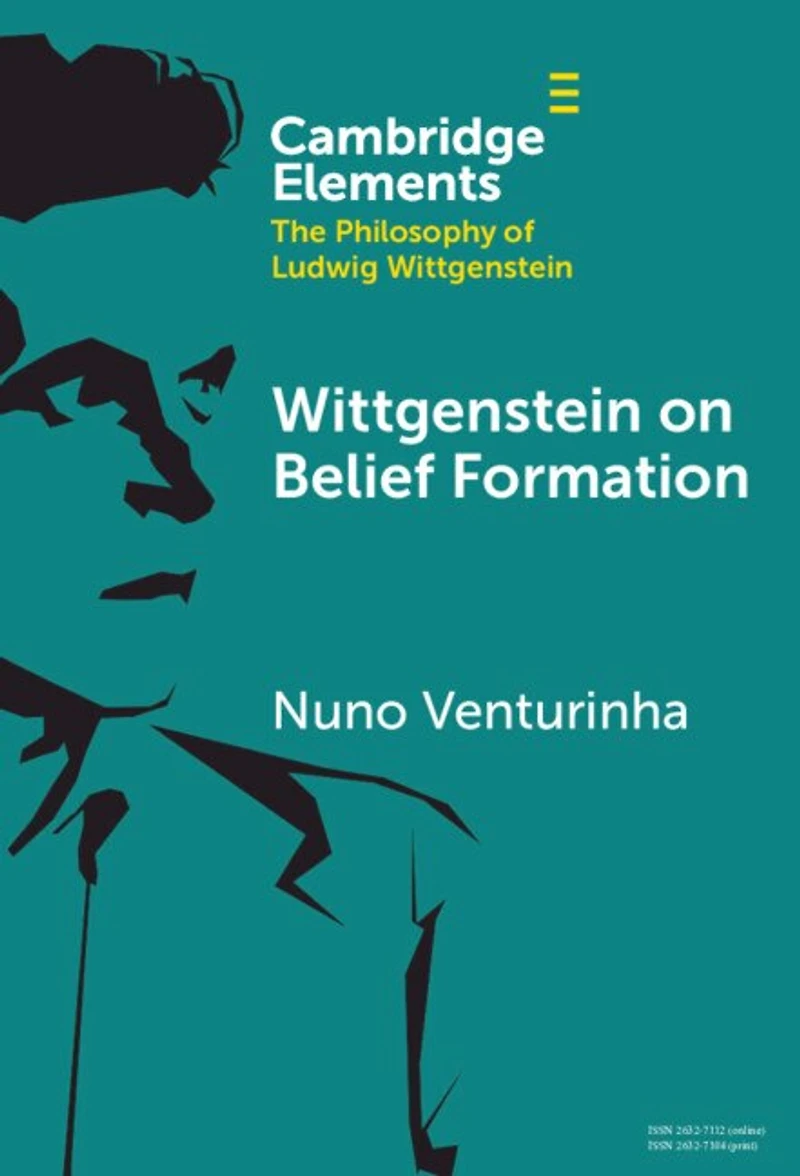
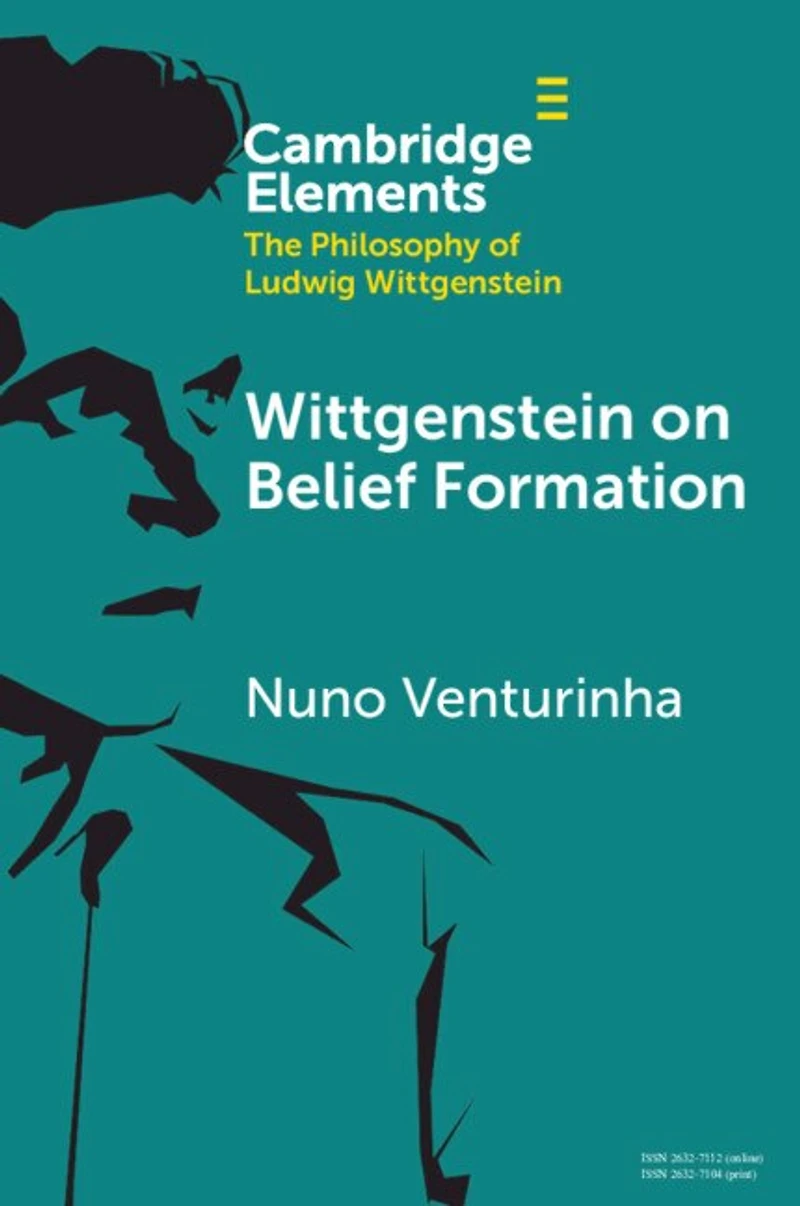
Wittgenstein on Belief Formation in Ottawa, ON
Current price: $94.73

Wittgenstein on Belief Formation in Ottawa, ON
Current price: $94.73
Loading Inventory...
Size: Hardcover
*Product information may vary - to confirm product availability, pricing, shipping and return information please contact Coles
This Element traces the development of Wittgenstein's views on belief formation throughout the different phases of his philosophy. Section 1 concentrates on the Tractarian period, where the sparse references to belief consist primarily of reactions to Russell. The logical purism of the early Wittgenstein led him to reject psychological stances such as those found in Russell's epistemological works. Section 2 explores Wittgenstein's 'middle' period, focusing on his evolving views on belief formation, influenced by his shift to viewing language as a social practice. It addresses key texts, including The Big Typescript and 'Cause and Effect', and links the psychological mechanisms of belief to Wittgenstein's later grammatical investigations in an analysis that extends to his reflections on mathematics and religion. Section 3 reconstructs the intellectual trajectory that would culminate in On Certainty, tracing the influence of Moore and Newman on the range of belief-forming processes Wittgenstein examines in his final writings.
This Element traces the development of Wittgenstein's views on belief formation throughout the different phases of his philosophy. Section 1 concentrates on the Tractarian period, where the sparse references to belief consist primarily of reactions to Russell. The logical purism of the early Wittgenstein led him to reject psychological stances such as those found in Russell's epistemological works. Section 2 explores Wittgenstein's 'middle' period, focusing on his evolving views on belief formation, influenced by his shift to viewing language as a social practice. It addresses key texts, including The Big Typescript and 'Cause and Effect', and links the psychological mechanisms of belief to Wittgenstein's later grammatical investigations in an analysis that extends to his reflections on mathematics and religion. Section 3 reconstructs the intellectual trajectory that would culminate in On Certainty, tracing the influence of Moore and Newman on the range of belief-forming processes Wittgenstein examines in his final writings.
You May Also Like
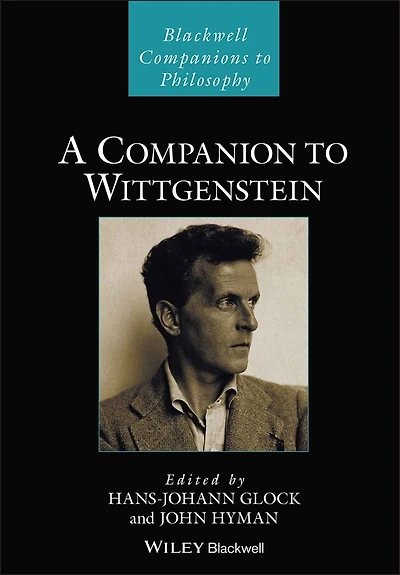








More About Coles at Bayshore Shopping Centre
Coles is renowned for its outstanding customer service and great selection of books. Along with the vast array of magazines, stationary, audio-books, children's literature, fiction, non-fiction and reference books, you can find accessories to make your reading experience more pleasurable. We can recommend the very best in reading today. We will help you search our titles for exactly what you need, and if we do not have it in stock, we will order it for you.
100 Bayshore Dr, Nepean, ON K2B 8C1, Canada
Find Coles at Bayshore Shopping Centre in Ottawa, ON
Visit Coles at Bayshore Shopping Centre in Ottawa, ON