

Give the Gift of Choice!
Too many options? Treat your friends and family to their favourite stores with a Bayshore Shopping Centre gift card, redeemable at participating retailers throughout the centre. Click below to purchase yours today!Purchase HereHome
Women and the Circulation of Texts Renaissance Italy
Coles
Loading Inventory...
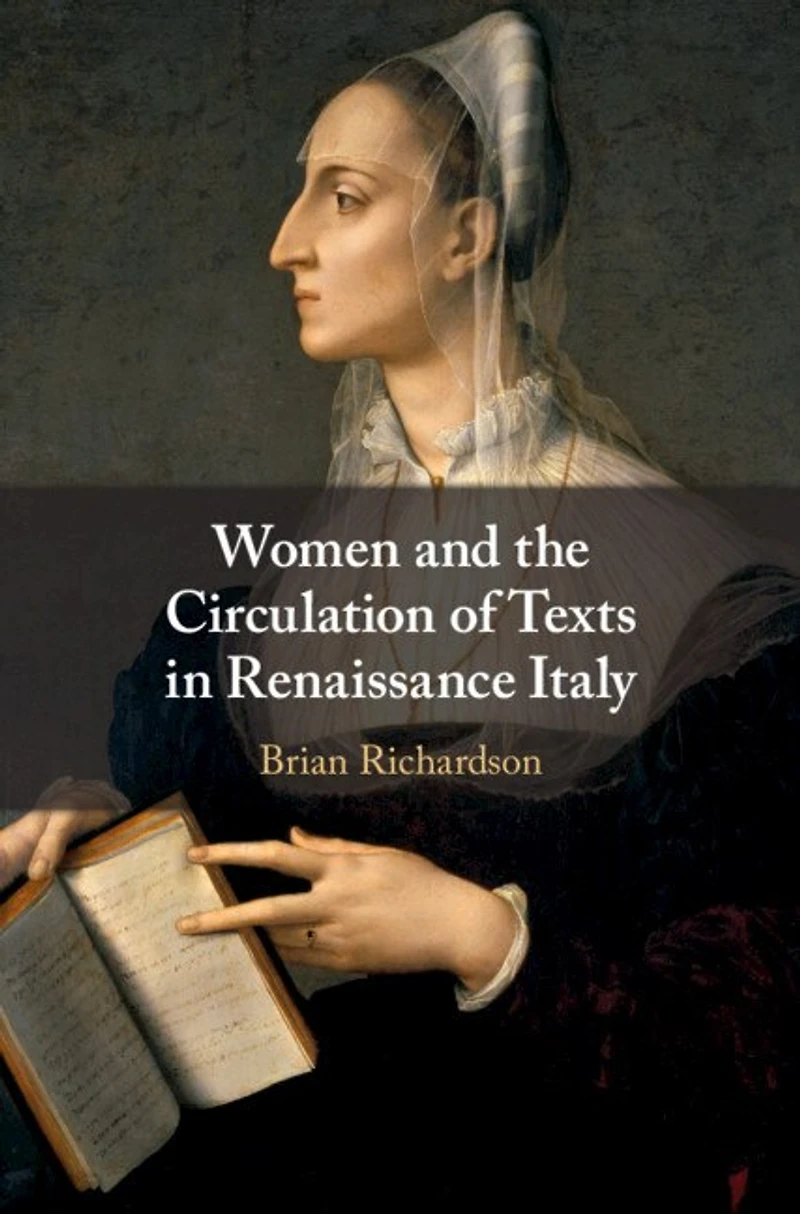
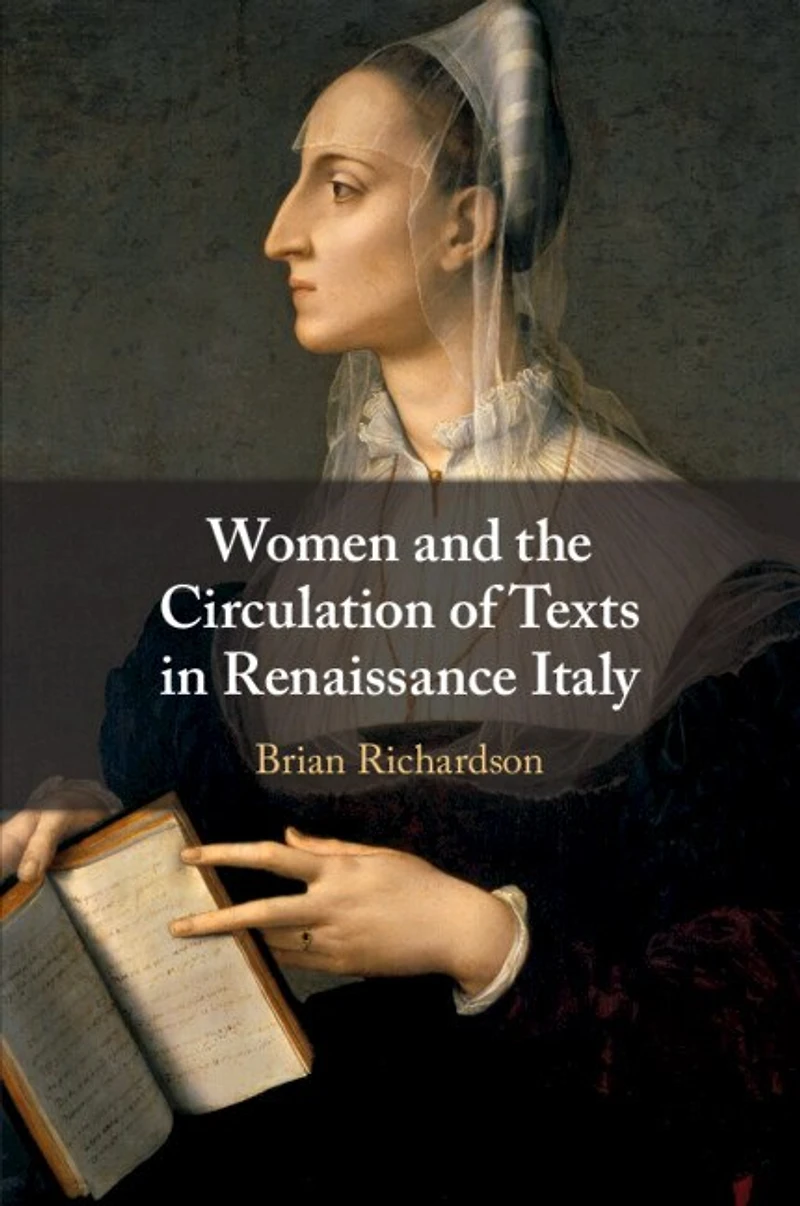
Women and the Circulation of Texts Renaissance Italy in Ottawa, ON
Current price: $152.95

Women and the Circulation of Texts Renaissance Italy in Ottawa, ON
Current price: $152.95
Loading Inventory...
Size: Hardcover
*Product information may vary - to confirm product availability, pricing, shipping and return information please contact Coles
During the Italian Renaissance, laywomen and nuns could take part in every stage of the circulation of texts of many kinds, old and new, learned and popular. This first in-depth and integrated analysis of Italian women's involvement in the material textual culture of the period shows how they could publish their own works in manuscript and print and how they promoted the first publication of works composed by others, acting as patrons or dedicatees. It describes how they copied manuscripts and helped to make and sell printed books in collaboration with men, how they received books as gifts and borrowed or bought them, how they commissioned manuscripts for themselves and how they might listen to works in spoken or sung performance. Brian Richardson's richly documented study demonstrates the powerful social function of books in the Renaissance: texts-in-motion helped to shape women's lives and sustain their social and spiritual communities.
During the Italian Renaissance, laywomen and nuns could take part in every stage of the circulation of texts of many kinds, old and new, learned and popular. This first in-depth and integrated analysis of Italian women's involvement in the material textual culture of the period shows how they could publish their own works in manuscript and print and how they promoted the first publication of works composed by others, acting as patrons or dedicatees. It describes how they copied manuscripts and helped to make and sell printed books in collaboration with men, how they received books as gifts and borrowed or bought them, how they commissioned manuscripts for themselves and how they might listen to works in spoken or sung performance. Brian Richardson's richly documented study demonstrates the powerful social function of books in the Renaissance: texts-in-motion helped to shape women's lives and sustain their social and spiritual communities.
You May Also Like











More About Coles at Bayshore Shopping Centre
Coles is renowned for its outstanding customer service and great selection of books. Along with the vast array of magazines, stationary, audio-books, children's literature, fiction, non-fiction and reference books, you can find accessories to make your reading experience more pleasurable. We can recommend the very best in reading today. We will help you search our titles for exactly what you need, and if we do not have it in stock, we will order it for you.
100 Bayshore Dr, Nepean, ON K2B 8C1, Canada
Find Coles at Bayshore Shopping Centre in Ottawa, ON
Visit Coles at Bayshore Shopping Centre in Ottawa, ON