

Give the Gift of Choice!
Too many options? Treat your friends and family to their favourite stores with a Bayshore Shopping Centre gift card, redeemable at participating retailers throughout the centre. Click below to purchase yours today!Purchase HereHome
Women, Texts and Tombs after the Reformation: Gender and Faith in England, 1550–1650
Coles
Loading Inventory...
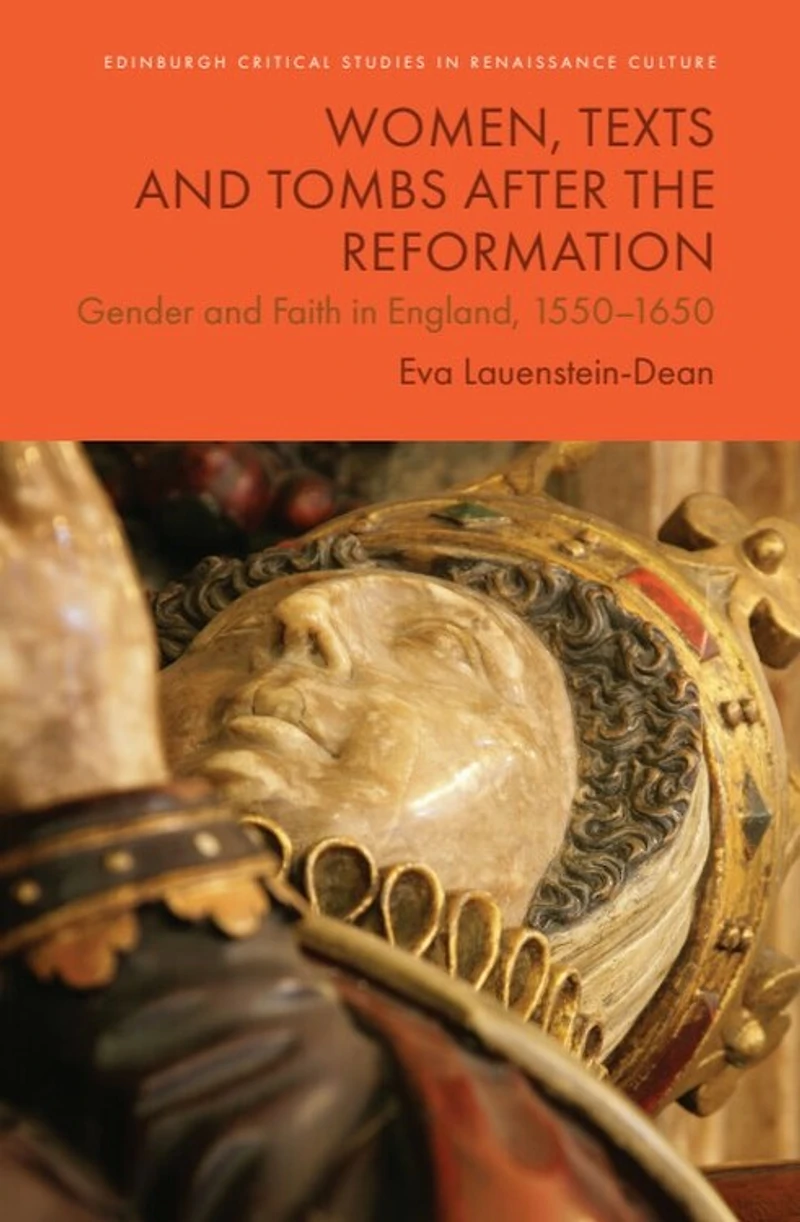
Women, Texts and Tombs after the Reformation: Gender and Faith in England, 1550–1650 in Ottawa, ON
Current price: $183.99

Women, Texts and Tombs after the Reformation: Gender and Faith in England, 1550–1650 in Ottawa, ON
Current price: $183.99
Loading Inventory...
Size: Hardcover
*Product information may vary - to confirm product availability, pricing, shipping and return information please contact Coles
The period following the Reformation saw a rapid increase in the production of funeral monuments in England. Women, Texts and Tombs after the Reformation argues that gender was a leading factor in this flourishing reformed culture of death. In a religious climate that placed increasing value on the laity, women quickly took on the role of exemplary Christians in popular texts including sermons and conduct books. This space awarded to godly womanhood in Protestant religious practice provided a rich foundation for women’s engagement with reform. By considering how women wrote and built tombs, this work explores one way that gender informed the development of doctrine beyond political and theological tracts in commemorative volumes and drama, local communities and the parish church. Taking gender as a primary lens to view early modern mortuary culture reveals the untapped potential of commemorative building in the study of religious change.
The period following the Reformation saw a rapid increase in the production of funeral monuments in England. Women, Texts and Tombs after the Reformation argues that gender was a leading factor in this flourishing reformed culture of death. In a religious climate that placed increasing value on the laity, women quickly took on the role of exemplary Christians in popular texts including sermons and conduct books. This space awarded to godly womanhood in Protestant religious practice provided a rich foundation for women’s engagement with reform. By considering how women wrote and built tombs, this work explores one way that gender informed the development of doctrine beyond political and theological tracts in commemorative volumes and drama, local communities and the parish church. Taking gender as a primary lens to view early modern mortuary culture reveals the untapped potential of commemorative building in the study of religious change.
You May Also Like
















More About Coles at Bayshore Shopping Centre
Coles is renowned for its outstanding customer service and great selection of books. Along with the vast array of magazines, stationary, audio-books, children's literature, fiction, non-fiction and reference books, you can find accessories to make your reading experience more pleasurable. We can recommend the very best in reading today. We will help you search our titles for exactly what you need, and if we do not have it in stock, we will order it for you.
100 Bayshore Dr, Nepean, ON K2B 8C1, Canada
Find Coles at Bayshore Shopping Centre in Ottawa, ON
Visit Coles at Bayshore Shopping Centre in Ottawa, ON