

Give the Gift of Choice!
Too many options? Treat your friends and family to their favourite stores with a Bayshore Shopping Centre gift card, redeemable at participating retailers throughout the centre. Click below to purchase yours today!Purchase HereHome
Women's Dance Traditions of Uzbekistan: Legacy of the Silk Road
Coles
Loading Inventory...
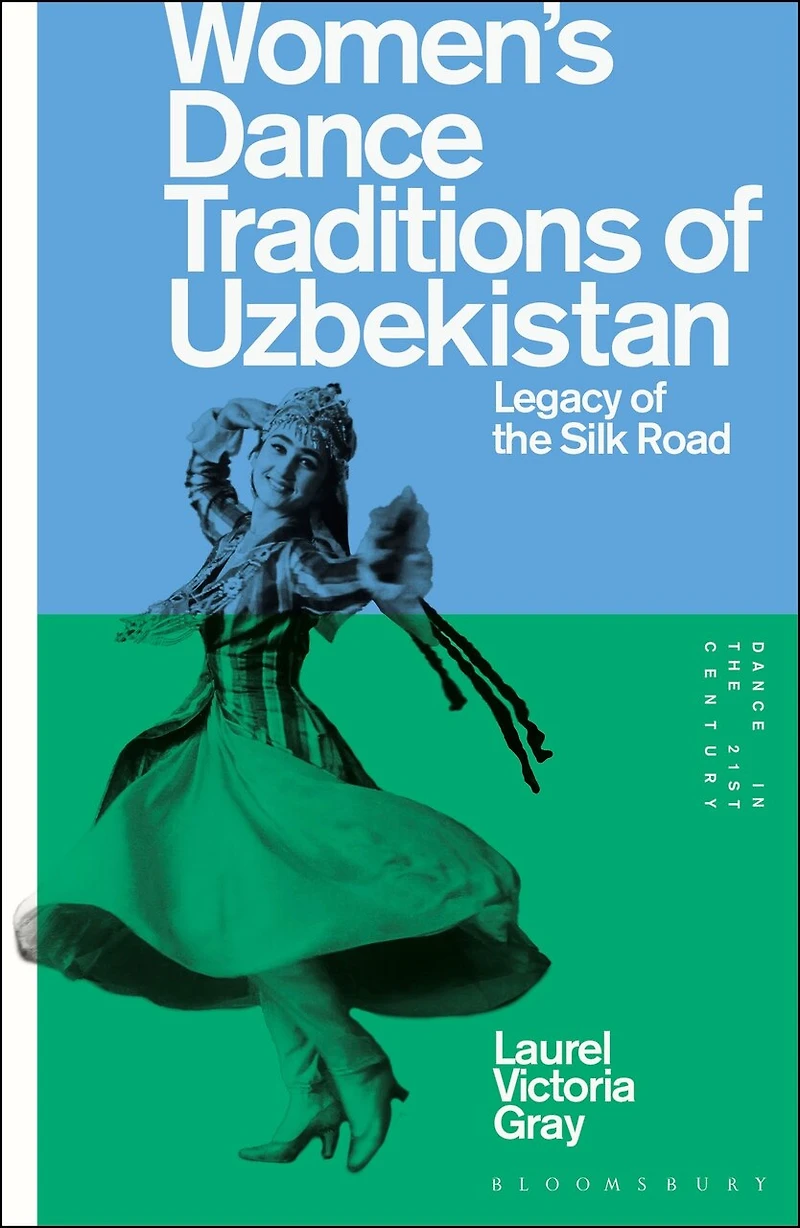
Women's Dance Traditions of Uzbekistan: Legacy of the Silk Road in Ottawa, ON
Current price: $131.50

Women's Dance Traditions of Uzbekistan: Legacy of the Silk Road in Ottawa, ON
Current price: $131.50
Loading Inventory...
Size: Hardcover
*Product information may vary - to confirm product availability, pricing, shipping and return information please contact Coles
The first comprehensive work in English on the three major regional styles of Uzbek women's dance - Ferghana, Khiva and Bukhara - and their broader Silk Road cultural connections, from folklore roots to contemporary stage dance. The book surveys the remarkable development from the earliest manifestations in ancient civilizations to a sequestered existence under Islam; from patronage under Soviet power to a place of pride for Uzbek nationhood. It considers the role that immigration had to play on the development of the dances; how women boldly challenged societal gender roles to perform in public; how both material culture and the natural world manifest in the dance; and it illuminates the innovations of pioneering choreographers who drew from Central Asian folk traditions, gestures and aesthetics - not Russian ballet - to first shape modern Uzbek stage dance. Written by the first American dancer invited to study in Uzbekistan, this book offers insight into the once-hidden world of Uzbek women's dance.
The first comprehensive work in English on the three major regional styles of Uzbek women's dance - Ferghana, Khiva and Bukhara - and their broader Silk Road cultural connections, from folklore roots to contemporary stage dance. The book surveys the remarkable development from the earliest manifestations in ancient civilizations to a sequestered existence under Islam; from patronage under Soviet power to a place of pride for Uzbek nationhood. It considers the role that immigration had to play on the development of the dances; how women boldly challenged societal gender roles to perform in public; how both material culture and the natural world manifest in the dance; and it illuminates the innovations of pioneering choreographers who drew from Central Asian folk traditions, gestures and aesthetics - not Russian ballet - to first shape modern Uzbek stage dance. Written by the first American dancer invited to study in Uzbekistan, this book offers insight into the once-hidden world of Uzbek women's dance.
You May Also Like








More About Coles at Bayshore Shopping Centre
Coles is renowned for its outstanding customer service and great selection of books. Along with the vast array of magazines, stationary, audio-books, children's literature, fiction, non-fiction and reference books, you can find accessories to make your reading experience more pleasurable. We can recommend the very best in reading today. We will help you search our titles for exactly what you need, and if we do not have it in stock, we will order it for you.
100 Bayshore Dr, Nepean, ON K2B 8C1, Canada
Find Coles at Bayshore Shopping Centre in Ottawa, ON
Visit Coles at Bayshore Shopping Centre in Ottawa, ON