

Give the Gift of Choice!
Too many options? Treat your friends and family to their favourite stores with a Bayshore Shopping Centre gift card, redeemable at participating retailers throughout the centre. Click below to purchase yours today!Purchase HereHome
Word, Image, And Deed In The Life Of Su Shi
Coles
Loading Inventory...
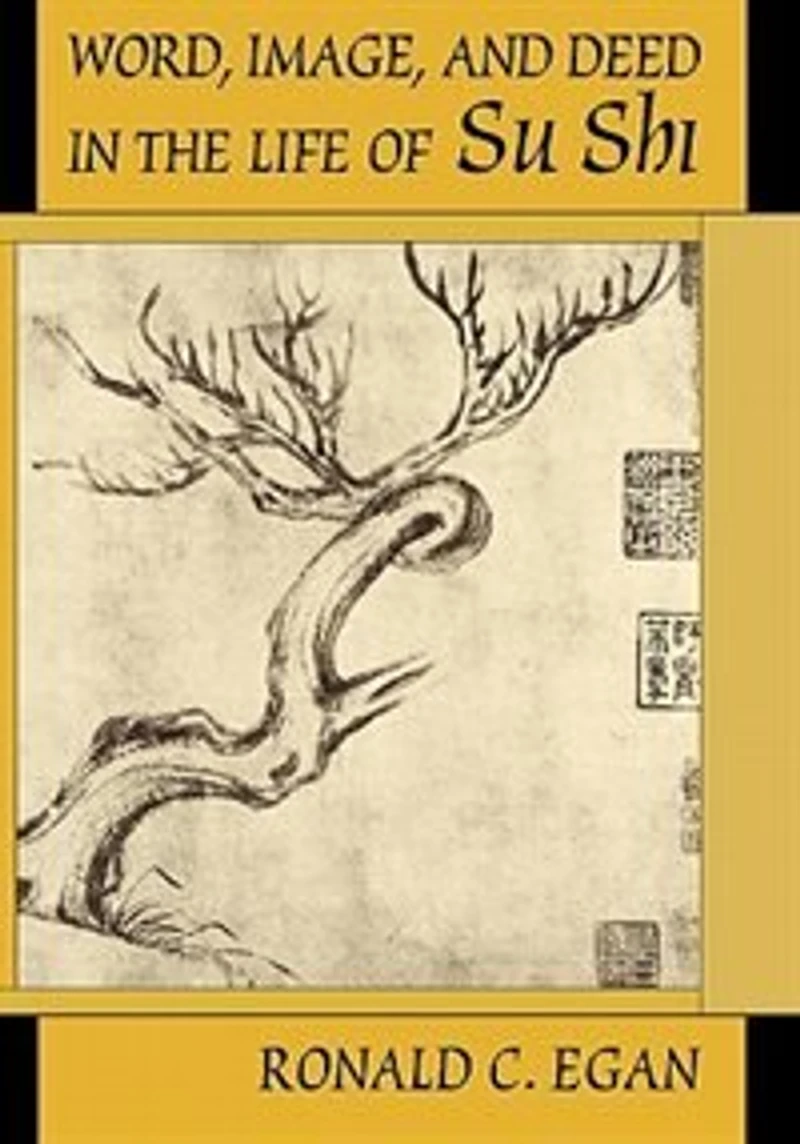
Word, Image, And Deed In The Life Of Su Shi in Ottawa, ON
Current price: $71.50

Word, Image, And Deed In The Life Of Su Shi in Ottawa, ON
Current price: $71.50
Loading Inventory...
Size: Hardcover
*Product information may vary - to confirm product availability, pricing, shipping and return information please contact Coles
Remembered today primarily as a poet, calligrapher, and critic, the protean Su Shi was an outspoken player in the contentious politics and intellectual debates of the Northern Song dynasty. In this comprehensive study, Egan analyzes Su''s literary and artistic work against the background of eleventhcentury developments within Buddhist and Confucian thought and Su''s dogged disagreement with the New Policies of Wang Anshi.
Egan explicates Su''s views on governance, the classics, and Buddhism; and he describes Su''s social-welfare initiatives, arrest for disloyalty, and exiles. Finding a key to the richness of Su''s artistic activities in his vacillation on the significance of aesthetic pursuits, Egan explores Su''s shi and ci poetry and Su''s promotion of painting and calligraphy, looking specially at the problem of subjectivity. In a concluding chapter, he reconsiders Su''s role as a founder of the wenren ("literati") and challenges the conventional understanding of both Su and the Northern Song wenren generally.
Remembered today primarily as a poet, calligrapher, and critic, the protean Su Shi was an outspoken player in the contentious politics and intellectual debates of the Northern Song dynasty. In this comprehensive study, Egan analyzes Su''s literary and artistic work against the background of eleventhcentury developments within Buddhist and Confucian thought and Su''s dogged disagreement with the New Policies of Wang Anshi.
Egan explicates Su''s views on governance, the classics, and Buddhism; and he describes Su''s social-welfare initiatives, arrest for disloyalty, and exiles. Finding a key to the richness of Su''s artistic activities in his vacillation on the significance of aesthetic pursuits, Egan explores Su''s shi and ci poetry and Su''s promotion of painting and calligraphy, looking specially at the problem of subjectivity. In a concluding chapter, he reconsiders Su''s role as a founder of the wenren ("literati") and challenges the conventional understanding of both Su and the Northern Song wenren generally.
You May Also Like









More About Coles at Bayshore Shopping Centre
Coles is renowned for its outstanding customer service and great selection of books. Along with the vast array of magazines, stationary, audio-books, children's literature, fiction, non-fiction and reference books, you can find accessories to make your reading experience more pleasurable. We can recommend the very best in reading today. We will help you search our titles for exactly what you need, and if we do not have it in stock, we will order it for you.
100 Bayshore Dr, Nepean, ON K2B 8C1, Canada
Find Coles at Bayshore Shopping Centre in Ottawa, ON
Visit Coles at Bayshore Shopping Centre in Ottawa, ON