

Give the Gift of Choice!
Too many options? Treat your friends and family to their favourite stores with a Bayshore Shopping Centre gift card, redeemable at participating retailers throughout the centre. Click below to purchase yours today!Purchase HereHome
Working Relationally with Young People: A Cognitive Analytic Approach to Connecting One to One, with Families and Across Communities
Coles
Loading Inventory...
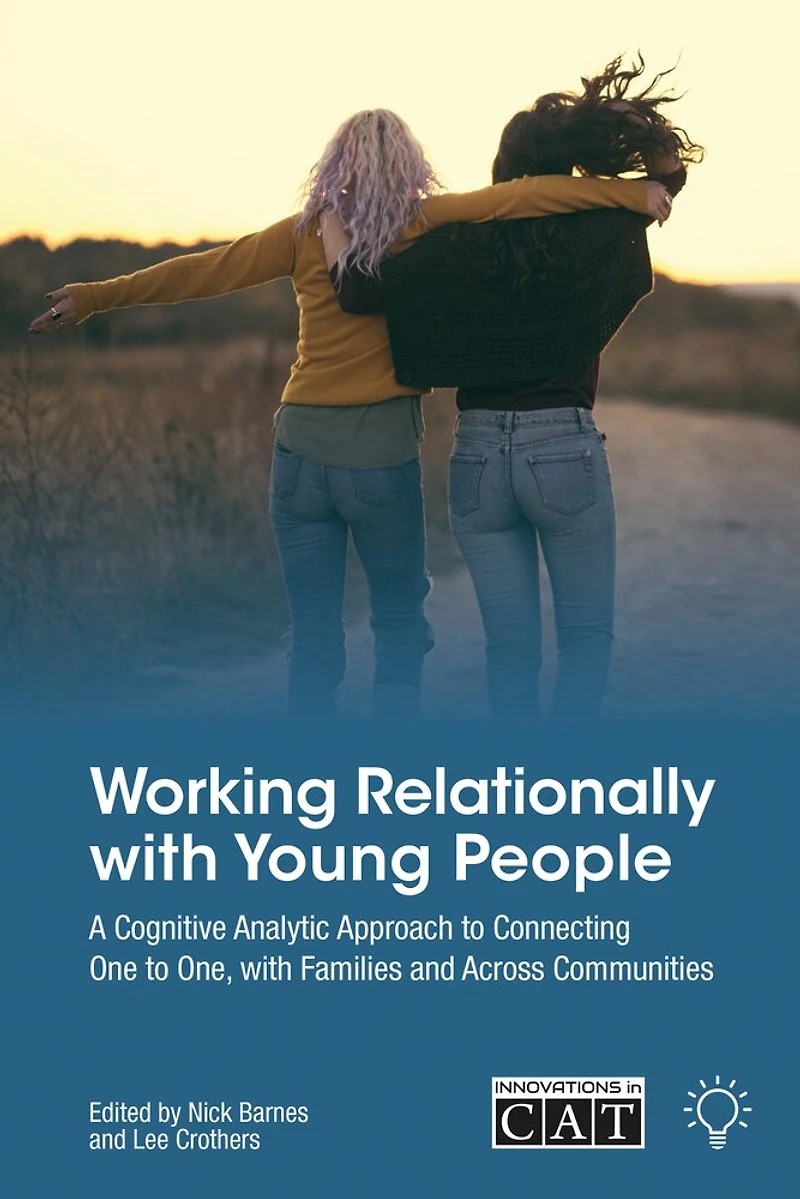
Working Relationally with Young People: A Cognitive Analytic Approach to Connecting One to One, with Families and Across Communities in Ottawa, ON
Current price: $51.95

Working Relationally with Young People: A Cognitive Analytic Approach to Connecting One to One, with Families and Across Communities in Ottawa, ON
Current price: $51.95
Loading Inventory...
Size: Paperback
*Product information may vary - to confirm product availability, pricing, shipping and return information please contact Coles
This book explores the growing interest in and demand for relational mental health support for young people, parents, families and communities. Relational approaches place an emphasis on authentic and mutual connections; the therapist is not an aloof ‘ expert’ , but an engaged human being who is an active part of the process, and who draws on subjective experiences and passions in the service of the client. Through eighteen contributed chapters and four short case studies, Working Relationally with Young People explores the theory, practice and delivery of Cognitive Analytic Therapy (CAT) and its relational mindset in youth mental health and wellbeing.
Contributions from across the CAT community, and from young people themselves,
demonstrate the opportunities and possibilities of working in relational ways.
The title is much-needed as there is a major gap in the CAT literature around working with youth, and relational mental health is fast becoming the paradigm of our time.
This book explores the growing interest in and demand for relational mental health support for young people, parents, families and communities. Relational approaches place an emphasis on authentic and mutual connections; the therapist is not an aloof ‘ expert’ , but an engaged human being who is an active part of the process, and who draws on subjective experiences and passions in the service of the client. Through eighteen contributed chapters and four short case studies, Working Relationally with Young People explores the theory, practice and delivery of Cognitive Analytic Therapy (CAT) and its relational mindset in youth mental health and wellbeing.
Contributions from across the CAT community, and from young people themselves,
demonstrate the opportunities and possibilities of working in relational ways.
The title is much-needed as there is a major gap in the CAT literature around working with youth, and relational mental health is fast becoming the paradigm of our time.
You May Also Like












More About Coles at Bayshore Shopping Centre
Coles is renowned for its outstanding customer service and great selection of books. Along with the vast array of magazines, stationary, audio-books, children's literature, fiction, non-fiction and reference books, you can find accessories to make your reading experience more pleasurable. We can recommend the very best in reading today. We will help you search our titles for exactly what you need, and if we do not have it in stock, we will order it for you.
100 Bayshore Dr, Nepean, ON K2B 8C1, Canada
Find Coles at Bayshore Shopping Centre in Ottawa, ON
Visit Coles at Bayshore Shopping Centre in Ottawa, ON