

Give the Gift of Choice!
Too many options? Treat your friends and family to their favourite stores with a Bayshore Shopping Centre gift card, redeemable at participating retailers throughout the centre. Click below to purchase yours today!Purchase HereHome
Yoga and Psychology: Language, Memory, and Mysticism
Coles
Loading Inventory...
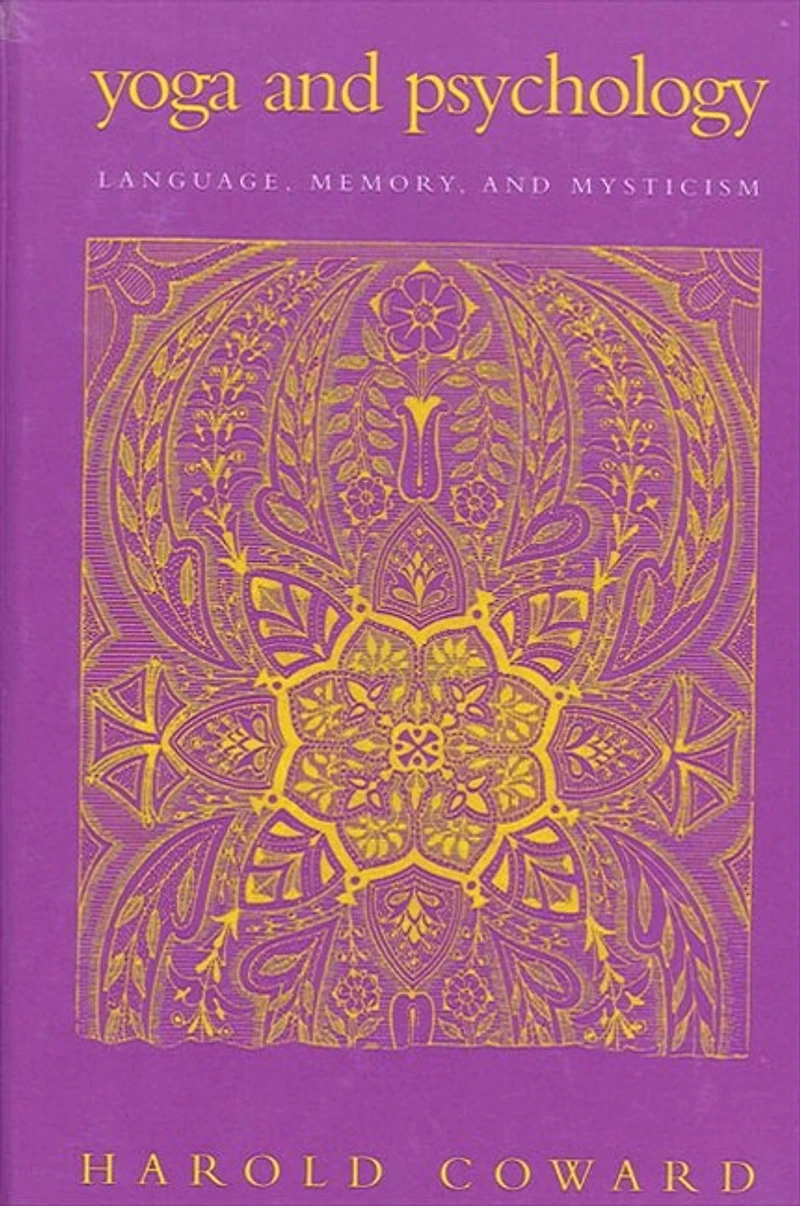
Yoga and Psychology: Language, Memory, and Mysticism in Ottawa, ON
Current price: $135.95

Yoga and Psychology: Language, Memory, and Mysticism in Ottawa, ON
Current price: $135.95
Loading Inventory...
Size: Hardcover
*Product information may vary - to confirm product availability, pricing, shipping and return information please contact Coles
Coward shows how the yogic notion of psychological processes makes Bhartrhari's philosophy of language and his theology of revelation possible. He goes on to explore how Western psychology has been influenced by incorporating or rejecting Patañjali's Yoga. The implications of these trends in Western thought for mysticism and memory are examined as well. This analysis results in a notable insight, namely, that there is a crucial difference between Eastern and Western thought with regard to how limited or perfectible human nature is-the West maintaining that we as humans are psychologically, philosophically, and spiritually limited or flawed in nature and thus not perfectible, while Patañjali's Yoga and Eastern thought generally maintain the opposite. Different Western responses to the Eastern position are noted, from complete rejection by Freud, Jung, and Hick, to varying degrees of acceptance by transpersonal thinkers.
Coward shows how the yogic notion of psychological processes makes Bhartrhari's philosophy of language and his theology of revelation possible. He goes on to explore how Western psychology has been influenced by incorporating or rejecting Patañjali's Yoga. The implications of these trends in Western thought for mysticism and memory are examined as well. This analysis results in a notable insight, namely, that there is a crucial difference between Eastern and Western thought with regard to how limited or perfectible human nature is-the West maintaining that we as humans are psychologically, philosophically, and spiritually limited or flawed in nature and thus not perfectible, while Patañjali's Yoga and Eastern thought generally maintain the opposite. Different Western responses to the Eastern position are noted, from complete rejection by Freud, Jung, and Hick, to varying degrees of acceptance by transpersonal thinkers.
You May Also Like









More About Coles at Bayshore Shopping Centre
Coles is renowned for its outstanding customer service and great selection of books. Along with the vast array of magazines, stationary, audio-books, children's literature, fiction, non-fiction and reference books, you can find accessories to make your reading experience more pleasurable. We can recommend the very best in reading today. We will help you search our titles for exactly what you need, and if we do not have it in stock, we will order it for you.
100 Bayshore Dr, Nepean, ON K2B 8C1, Canada
Find Coles at Bayshore Shopping Centre in Ottawa, ON
Visit Coles at Bayshore Shopping Centre in Ottawa, ON